
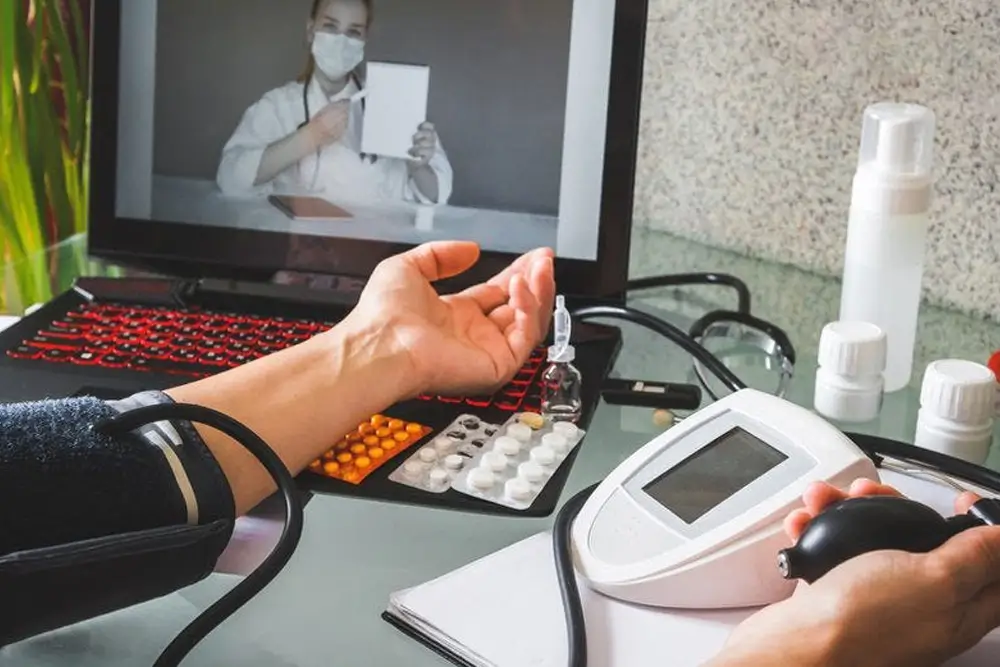
Technology has reshaped the way we deliver healthcare. One of the most significant advances is Remote Patient Monitoring (RPM). By leveraging connected devices and digital tools RPM allows providers to track patient vitals in real time and act before complications arise.
What Is Remote Patient Monitoring?
RPM involves using devices like blood pressure monitors glucose trackers and oxygen sensors to collect patient data at home. This data is sent to care teams through secure platforms for ongoing review and response.
Why Preventive Care Matters
Preventive care is the most effective way to avoid high-cost urgent treatments. By identifying warning signs early RPM helps providers deliver timely interventions and reduce hospitalizations.
Key Benefits of RPM
- Real-Time Insights
Continuous data means no surprises during check-ups - Fewer ER Visits
Providers can address issues before they escalate - Better Chronic Disease Management
RPM supports conditions like heart failure diabetes and COPD - Improved Patient Engagement
Patients become more involved in their own health
SPS Health’s RPM Solution
SPS Health provides end-to-end RPM services including device provisioning setup training and data monitoring. We tailor our solution to each practice’s workflow ensuring seamless integration.
Final Thoughts
Remote Patient Monitoring bridges the gap between clinic visits and real life. With SPS Health providers gain the tools to offer preventive care that truly changes lives.
If you have any questions regarding “Remote Patient Monitoring”, feel free to contact us. For inquiries, Email us at: info@spshealth.net.
Disclaimer: The above information is subject to change and represents the views of the author. It is shared for educational purposes only. Readers are advised to use their own judgment and seek specific professional advice before making any decisions. SPS Health is not liable for any actions taken by readers based on the information shared in this article. You may consult with us before using this information for any purpose. For further assistance, please contact us.